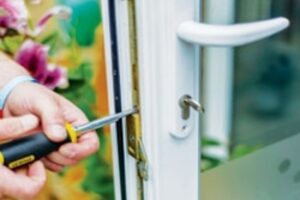
What NOT To Do During The Deadbolt Locks Replacement Industry
Deadbolt Locks Replacement: A Comprehensive Guide
Deadbolt locks work as an important component of home security, offering improved defense versus unauthorized entry. They are designed to avoid a door from being opened without the appropriate key or combination, making them a go-to option for homeowners looking for to strengthen their security steps. With time, however, deadbolt locks can wear out, end up being damaged, or simply require replacement due to modifications in security requirements. This short article details essential information related to deadbolt lock replacements, types of locks, installation processes, and often asked questions (FAQs).
Why Replace Deadbolt Locks?
There are several reasons a homeowner might consider changing deadbolt locks:
Wear and Tear: Frequent usage can cause mechanical failure. If a lock feels stiff, sticky, or fails to engage properly, it may be time for a replacement.
Secret Loss: Losing a secret can render a lock vulnerable to unapproved access. In such cases, changing the lock can provide peace of mind.
Security Upgrades: As innovation advances, more recent deadbolt designs use enhanced security features. Updating to a more secure model can better secure your home.
Moving into a New Home: It's recommended to change deadbolt locks when moving into a new home to guarantee that previous renters or owners do not keep access.
Altering Personal Security Needs: A homeowner might want to change their security system completely for factors such as added functions or the desire for smart technology.
Types of Deadbolt Locks
Understanding the kinds of deadbolt locks can streamline the replacement process. Below are the typically utilized types:
1. Single Cylinder Deadbolt
- Run with a key on the outside and a thumb turn on the inside.
- Many widespread for residential doors.
2. Double Cylinder Deadbolt
- Needs a key for both the outside and inside, offering additional security.
- Beneficial for doors with glass panels neighboring but can become a security hazard in emergencies.
3. Keyless Deadbolt
- Permits gain access to through a keypad or smart device app rather of a physical key.
- Offers flexibility and convenience however may need batteries or a source of power.
4. Rim Deadbolt
- Installed on the interior surface of the door.
- Frequently used in combination with a standard knob lock for added security.
5. Smart Deadbolt
- Links to home automation systems enabling remote gain access to.
- Functions like a mobile app open doors, track access, and modification codes from another location.
Actions for Replacing a Deadbolt Lock
Replacing a deadbolt lock can be a straightforward process if followed properly. Here is a detailed guide:
Materials Needed:
- New deadbolt lock
- Screwdriver
- Tape measure
- Pencil
- Level
Replacement Steps:
Remove the Old Deadbolt:
- Unscrew the screws on both the exterior and interior sides of the lock.
- Eliminate the old lock from the door.
Measure the Door:
- Use a tape measure to verify that the new deadbolt fits effectively. Most deadbolts fit standard door thickness, however it's important to validate measurements.
Set Up the New Deadbolt:
- Insert the new deadbolt into the hole.
- Line up the exterior and interior parts, ensuring they fit comfortably.
Secure the Deadbolt:
- Use screws provided in the new deadbolt kit to secure both sides.
- Make sure the lock operates smoothly.
Test the Lock:
- Check to see if the essential turns smoothly and if the thumb-turn operates properly.
- Validate that the deadbolt extends and retracts completely in the strike plate.
Last Adjustments:
- Use a level to verify proper positioning.
- Adjust screws if needed for a best fit.
FAQs About Deadbolt Locks Replacement
What should I consider when choosing a new deadbolt lock?
- Security ratings: Look for locks that are ANSI certified (American National Standards Institute). Greater grades offer better resistance to required entry.
- Compatibility: Ensure the new lock fits the existing door size.
- Types of locks: Determine your choice in between conventional, smart, or keyless deadbolts.
How typically should deadbolt locks be changed?
- It's suggested to examine deadbolt locks each year and replace them every 5-7 years or as quickly as you notice any wear or security concerns.
Can I change a deadbolt lock myself, or should I work with a professional?
- A lot of house owners with basic tools can successfully replace a deadbolt lock themselves. However, working with a specialist might be suggested if you're unpleasant with DIY tasks.
What are the advantages of smart deadbolts?
- Smart deadbolts offer convenience, allowing keyless entry and remote gain access to through apps. They likewise often consist of functions like user gain access to codes and activity logs for added security.
Is it essential to replace the entire lock if I lose a key?
- If you lose a secret, you usually have the alternative to rekey the lock, which changes the internal mechanism, making the old key useless. Nevertheless, if Repair My Windows And Doors is harmed or obsoleted, replacement might be sensible.
Replacing a deadbolt lock can considerably affect the security and functionality of your home. From understanding different lock types to following the installation actions, property owners are empowered to improve their precaution. By frequently assessing the condition of their locks, individuals can ensure that they are protected versus unapproved gain access to, hence attaining assurance in their home. Investing time in understanding and maintaining home security, including lock replacements, is a little price to spend for the security of one's home and loved ones.